 admin
admin
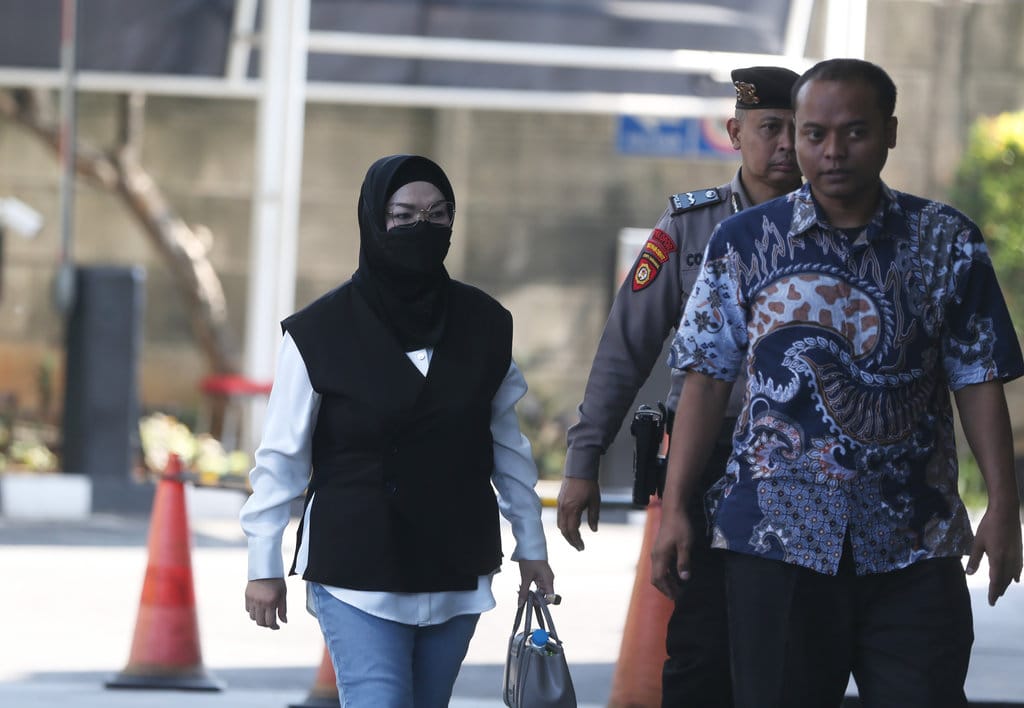
Indonesia's anti-graft agency has taken a dramatic step in a case that has shaken the administration of Sukoharjo Regency in Central Java. The Corruption Eradication Commission, known widely as the KPK, officially declared the region's top elected leader and two of his closest subordinates as suspects in a coercive extortion scheme. The move marks a significant escalation in the investigation and signals the agency's intention to pursue charges against high-ranking local government figures.
Three Figures at the Center of the Case
The KPK's announcement confirmed that the individuals now facing potential criminal charges are the incumbent Bupati of Sukoharjo, Etik Suryani, along with two other officials identified as Richard Tri Handoko and Tri Mulyo. While the specific roles of the two named officials within the regency's government structure were not immediately detailed in the latest disclosure, their status as suspects indicates that investigators believe they played instrumental parts in the alleged illegal conduct.
According to the KPK's formal statement, the trio is suspected of engaging in illegal fee collection and threats tied to their positions. The corrupt practice, classified under the umbrella of extortion by a public official, is believed to have been carried out in a coordinated manner, leveraging the authority of the Bupati's office. The agency did not immediately release the total amount of money allegedly demanded or collected, but sources close to the investigation suggest the sums are substantial and were systematically extracted from specific targets within the regency.
The Alleged Mechanism of Coercion
Investigators have pieced together a preliminary chronology that points to a pattern of abuse of power. The alleged extortion was not a spontaneous act but a structured operation. Reports indicate that the suspects are believed to have pressured individuals or entities—likely contractors, business operators, or government partners—to hand over a portion of project funds or fees in exchange for the approval of budgets, permits, or continued contractual relationships.
The KPK's enforcement directorate has been gathering evidence for several months, including witness testimonies, financial transaction records, and communication logs. The breakthrough leading to the suspect designation came after investigators successfully identified a direct link between the demands for money and the official duties of the accused. This nexus is a core element in proving extortion under Indonesia's anti-corruption laws. The alleged victims reportedly felt compelled to comply due to the threat that their business or official matters would be obstructed or terminated entirely.
Legal Basis and Next Steps in the Investigation
The three individuals have been formally charged under articles of Indonesia's Law on the Eradication of Corruption (Law No. 31 of 1999, as amended by Law No. 20 of 2001), specifically those dealing with extortion committed by public officials. The maximum penalty for such a crime can include lengthy imprisonment, reaching up to life in certain aggravated circumstances, along with heavy fines and the mandatory restitution of illegal proceeds.
Following the suspect designation, the KPK has initiated an immediate period of detention for the three individuals at separate facilities within the agency's detention centers. This pre-trial detention, which initially lasts for 20 days, is intended to facilitate the smooth progress of the investigation and prevent any potential tampering with evidence or witnesses. The agency is expected to continue conducting simultaneous searches and seizures at various locations, including the Bupati's official residence and the offices of the implicated officials.
The KPK's leadership has emphasized that this case is a stark reminder of the ongoing threats to clean governance at the regional level. With the suspect status now officially attached, the investigation will ramp up to complete the case files before handing them over to the prosecution stage. The public and legal observers are now awaiting further disclosures regarding the exact amount of state financial losses involved and the detailed roles each suspect played in the alleged criminal hierarchy.
Political Repercussions and Public Response
The naming of a sitting Bupati as a corruption suspect has sent immediate shockwaves through the political landscape of Sukoharjo. The regional House of Representatives is expected to call for an emergency session to discuss the leadership vacuum and the potential for the appointment of an acting regent, should the incumbent be placed under extended detention. Local community groups have reacted with a mixture of disappointment and relief—disappointment that their highest elected official has been implicated, and relief that law enforcement is operating without favor.
Civil society organizations in Central Java have renewed calls for tighter oversight of regency budgets and procurement processes. The case exemplifies the persistent vulnerability of local administrations to what experts term regulatory capture by personal interests. As the investigation unfolds, all eyes will remain on the KPK to see whether this case will lead to a full conviction or become yet another high-profile instance that fades due to procedural challenges. For now, the legal status of the three men is clear: they are no longer witnesses, but the accused, in a case that could redefine accountability for regional leaders across Indonesia.
Baca juga:












Comments (0)