 hafiz-rahman
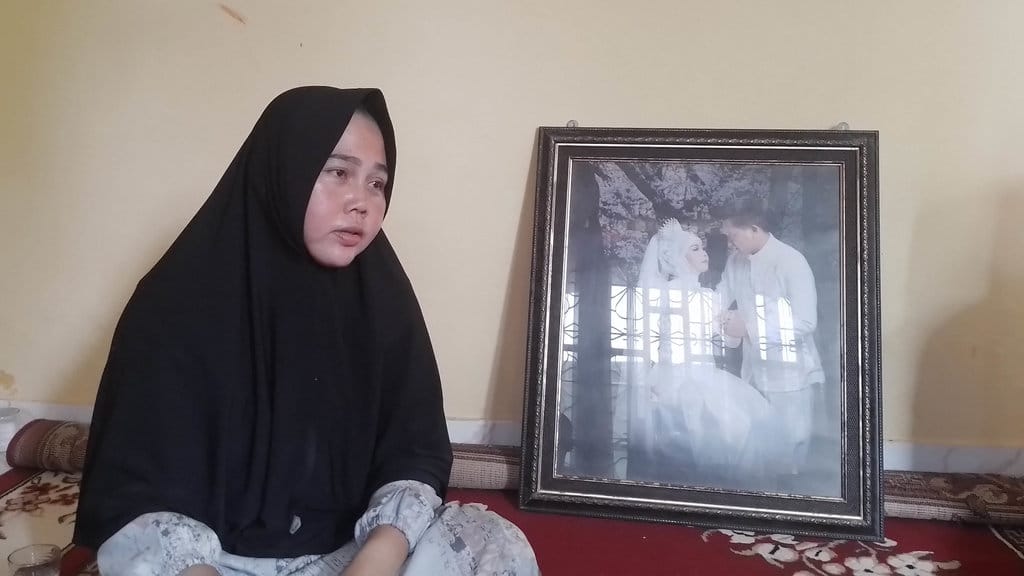
Reports about the death of a motorcycle taxi driver in Palembang, identified as Hardiansyah, allegedly caused by respiratory distress from peatland fire haze have circulated across social media platforms. In the fact-checking framework applied here, such a claim is treated not as established fact, but as a proposition requiring corroboration against official records, medical documentation, and environmental data. The following breakdown examines each element of the claim, its evidentiary status, and the points at which public reporting diverges from verifiable documentation.
Klaim yang Beredar
The claim, as replicated across social media posts and reshared messaging apps, rests on four components: first, that an individual named Hardiansyah worked as an ojol (online motorcycle taxi) driver in the city of Palembang, South Sumatra; second, that he exhibited respiratory distress symptoms including shortness of breath; third, that he died; and fourth, that the proximate cause of death was attributed to chronic or acute exposure to haze originating from peatland fires, locally known as karhutla.
Klaim: SeorangnamedHardiansyah, pengemudi ojol di Palembang, wafat karena sesak napas akibat kabut asap karhutla.
These four components carry radically different evidentiary weights. The second and third components are the load-bearing elements. Without a medical certificate stating the cause of death, any causal link to atmospheric conditions remains an inference drawn by observers, not a documented clinical determination.
Komponen Klaim dan Status Verifikasinya
Identitas danProfesi. The name and occupation are the least disputed elements, as they are typically sourced from community members, neighbours, or informal confirmations rather than official registries. However, absence of dispute is not equivalent to confirmation; personal identifying details circulated in viral claims frequently originate from unverified accounts and have historically been subject to misattribution.
Gejala Klinis. Reports of tightness in the chest, persistent coughing, or breathing difficulty during a haze period are medically plausible and consistent with known pollutant effects. That plausibility, however, indicates only that the symptom set is not implausible. It does not establish that the symptoms were caused by the specific pollutant event referenced in the claim.
Penyebab Kematian. This is the critical failure point. Attribution of death to haze exposure requires documentation from a licensed physician examining the deceased, typically recorded in a medical certificate or an official death registration entry held by the municipal health service or the national civil registration database. A social media assertion does not substitute for that document.
Hubungan Kausal dengan Karhutla. Linking a specific death to a regional fire event requires simultaneous proof of exposure levels, individual susceptibility data, and exclusion of competing causes. In the absence of such documentation, the causal statement functions as narrative attribution rather than forensic finding.
Aspek Medis: Apakah Asap Karhutla Mematikan?
The underlying health mechanism asserted in the claim is, as a general matter, well documented in the scientific literature. Particulate matter with an aerodynamic diameter below 2.5 micrometres penetrates deep into the alveolar region, triggering inflammation and oxidative stress, and exacerbating pre-existing cardiopulmonary conditions. Recognized health authorities, including the World Health Organization, have classified air pollution from biomass burning and fine particulate exposure as a serious public health hazard.
That general hazard, though, is a category-level statement. It establishes that hazecan contribute to mortality and respiratory morbidity at a population scale. It does not demonstrate that haze caused a single identified individual's death on a single identified date. Forensic standards require case-specific evidence; epidemiological risk cannot be transposed into individual causation without examination.
Prosedur Verifikasi yang Dibutuhkan
Before this claim can be classified as partially accurate or fully accurate, the following documentary elements must be located:
1. Medical certificate or coroner record stating the immediate cause of death, obtained from the municipal health office of Palembang or the national civil registration system.
2. Air quality and fire hotspot data for the relevant dates, drawn from the national monitoring agency or satellite-based hotspot databases, to establish whether an abnormal pollution event occurred in that period and whether the affected location fell within the exposed area.
3. Confirmation of the deceased's identity through a credible reporting chain rather than anonymous social media accounts, including whether the name was verified by relatives, an employer, or a community organisation.
4. Any history of pre-existing illness in the individual, which materially changes the interpretation of a haze-related death claim.
Kesimpulan dan Rating
Based on verification, the claim is belum dapat diverifikasi and falls short of the evidentiary threshold required for a causal statement regarding an individual death. The hazardous nature of peatland fire smoke is well established; the attribution of this specific fatality to that smoke is not.
Fakta: asap karhutla merupakan~~ ancaman kesehatan yang terbukti secara umum, namun tidak ada dokumen resmi yang dapat dikonfirmasi dalam bahan ini yang menyatakan penyebab kematian seorang以为然姓名 tertentu sebagai akibat paparan asap tersebut.
The rating applied is MENYESATKAN in its current viral form, because it compresses an unverified causal inference into an assertive factual statement delivered without hedging. Statements that a named individual died "as a result of" haze, absent a medical certification, mislead readers by presenting attribution as documented fact.
It should be noted that no official record, medical certificate, or authoritative environmental dataset was available within the scope of this review. The conclusion therefore reflects a finding of insufficient documentation rather than a finding that the claim is false. Should the required medical and environmental records surface, the classification of this claim would warrant reassessment.
Key evidence: the causal element of the claim remains unsupported by any document examined here, while the general health hazard of fine particulate exposure from burning peat is itself well established.










:strip_icc():format(webp)/kly-media-production/medias/8263843/original/065734300_1782021578-Tugas__38_.jpg)



Comments (0)