 dina-aulia
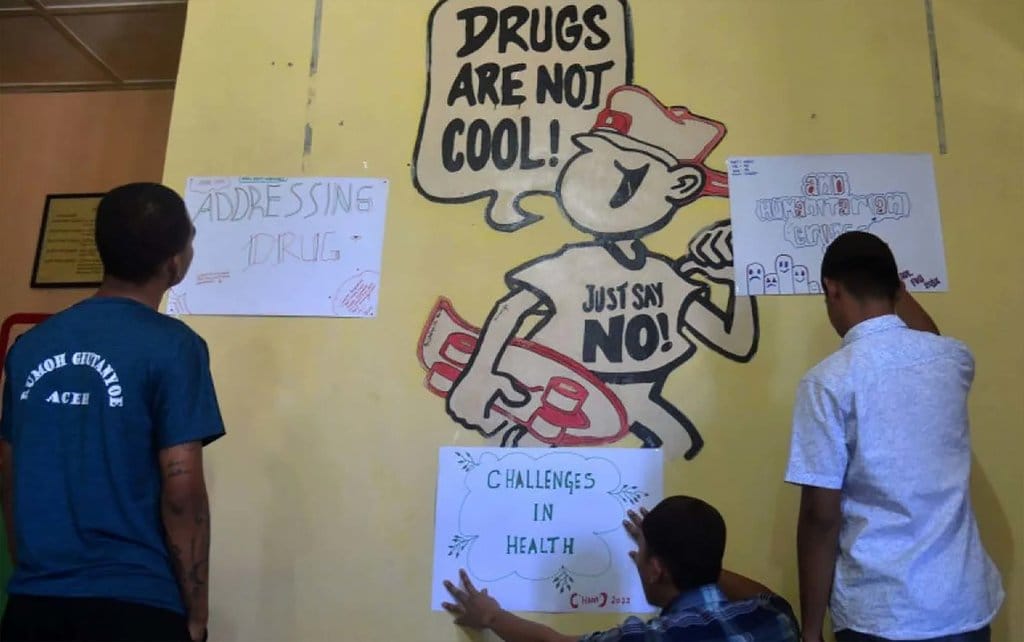
Institusiyjailed umumnya tidak dibangun dengan kapasitas yang sebanding dengan jumlahński住的 warga huntap yang harus ditampung. oficiais oficiais. Flavors of the same problem: when it comes to drug offenders, the gap widens. Official records and the pattern of cases entering the justice system repeatedly show the same thing: rehabilitation programs are mandatory in the legal framework, yet their implementation on the ground remains uneven and, in many places, far below expectations.
The legal model itself is not in dispute. Anyone convicted of a narcotics offense is obligated to undergo both medical and social rehabilitation stages. The medical phase addresses withdrawal, detox procedures, and clinical needs. The social phase covers skills, work readiness, and family reintegration. On paper, this two-track scheme is designed to treat offenders as patients rather than merely as prisoners. The problem arises when the institutions supposed to deliver these programs are overwhelmed, understaffed, or lacking the therapeutic protocols required to produce measurable results.
Beban yang Terus Menumpuk
Correctional facilities across the country are operating far beyond their designed capacity. Buildings originally intended for a limited number of inmates now hold multiples of that figure. Under such conditions, rehabilitation stops being a structured program and becomes a nominal activity squeezed between the demands of security, logistics, and daily survival inside the institution.
Narcotics offenders make up a large share of the resident population. In several jurisdictions, they account for the majority of inmates. This concentration has a direct effect on program quality. Therapeutic sessions require trained counselors, individualized assessments, medical supervision, and follow-up. When one counselor must handle hundreds of inmates, the process degrades into attendance and paperwork rather than genuine treatment.
The consequences ripple outward. Inmates who complete rehabilitation without real intervention carry unresolved dependency into the community after release. Recidivism therefore persists, and each released prisoner returning to crime generates a new case, a new intake, and an additional burden on an already saturated system.
Mandatory on Paper, Optional in Practice
The gap between regulation and reality is the core issue. Regulation obliges the state to provide rehabilitation, but supervision of how that rehabilitation is actually conducted remains weak. Facilities often report that residents have 'completed' rehabilitation programs. The completion rate looks acceptable in administrative documents. The follow-up data showing whether participants stayed clean and stayed employed are rarely published or examined.
Without accountability, institutional targets replace therapeutic targets. The priority shifts to meeting quotas of participants rather than measuring changes in behavior and health. Screening tools are rarely standardized. Treatment plans are rarely individualized. And when inmates are transferred between institutions or released early, continuity of care frequently breaks down.
Family involvement, another pillar of social rehabilitation, is equally fragile. Many inmates come from households with limited economic capacity and no access to post-release support networks. Counseling sessions for families are cut short, transportation is rarely subsidized, and employers who might absorb former inmates into the workforce are rarely approached in coordinated programs.
Soal Efektivitas dan Arah Solusi
If the question is whether effective rehabilitation is the answer to overcrowded correctional institutions, the honest answer is that rehabilitation cannot work while the conditions surrounding it remain unchanged. Programs delivered at half capacity, without clinical standards, and without post-release monitoring will not reduce crime, no matter how impressive the legal wording sounds.
Several elements appear essential. Capacity must be expanded so that facilities operate within their design limits. Clinical staff must be added, and counselors need training and manageable caseloads. Assessment instruments must be standardized so that treatment reflects the actual condition of each inmate. Release procedures must be tied to completion of therapy milestones rather than purely to administrative schedules.
Most importantly, rehabilitation cannot be confined inside prison walls. Post-release supervision, community-based follow-up, and cooperation with employers and families determine whether the months spent inside the institution produce lasting results. Without that continuity, the mandatory two-stage scheme ends where it began: on paper.
The debate, therefore, is not whether rehabilitation is legally required. It clearly is. The debate is about whether implementation standards, oversight, and funding exist to make that requirement real. Until those elements are in place, the full houses of drug offenders will continue to absorb populations the system has not actually treated.











:strip_icc():format(webp)/kly-media-production/medias/8263843/original/065734300_1782021578-Tugas__38_.jpg)



Comments (0)