 ramadiansyah
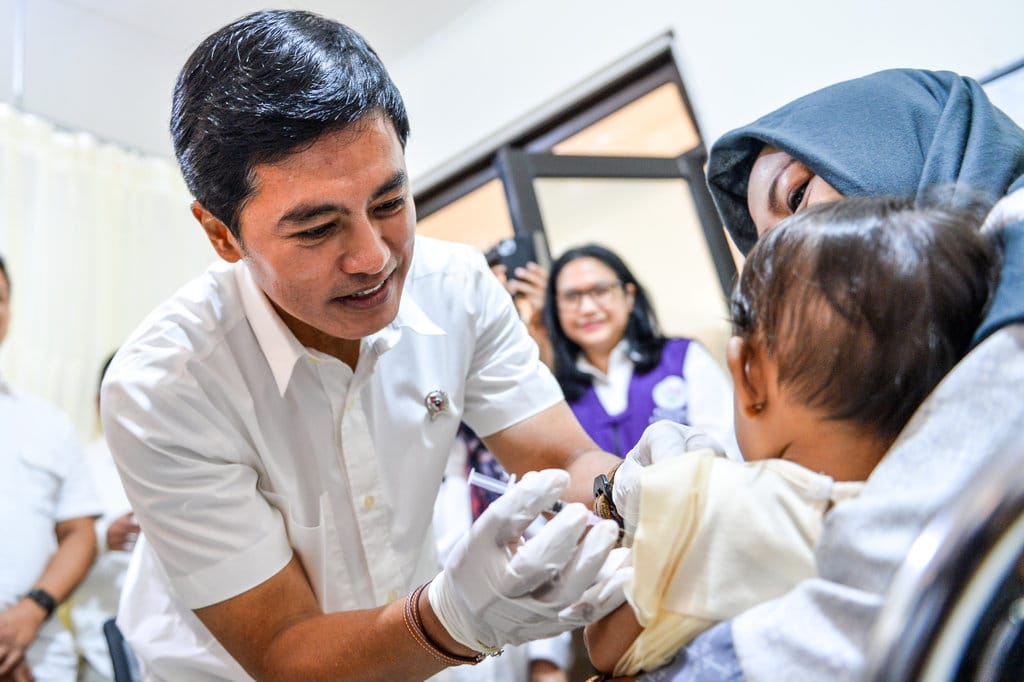
Kementerian KesehatanRepresentation downstream that an internal investigative team has been deployed to Samarinda, Kalimantan Timur, following an allegation that a guidewire or catheter-related wire device was left inside the heart of a patient who had undergone a medical procedure at a local health facility in the city. The deployment was confirmed as part of the ministry's oversight mechanism through its Inspectorate General, a body routinely tasked with examining complaints related to health services, medical conduct, and patient safety.
The case enters a category of incidents that health authorities in many countries treat as a serious red flag in clinical governance: the retention of a medical device inside the body after an intervention is supposed to have ended. Such events are statistically uncommon when counting protocols are applied correctly, which is precisely why they attract intense scrutiny and detailed review.
Kronologi dan Ruang Lingkup Pemeriksaan
Officials indicated that the investigation covers more than a single procedural error. The reviewing team is expected to reconstruct the entire clinical pathway, beginning with the patient's admission, the indication for the procedure, the execution of the intervention, and the documentation of the device count before and after the procedure was concluded.
A central element in the review involves the medical record and the nursing or midwifery tally sheets, which in most hospitals are designed to document the number of surgical instruments and disposable items entering and leaving the operating room. Investigators will also examine any imaging performed after the procedure, since radiographs are typically the first tool used to detect a retained object and to locate it anatomically.
Interviews are understood to include the operating physician, nurses involved in the procedure, anesthesiologists, and hospital management. The Inspectorate General has also signalled that it will verify whether the facility possesses the licences and certifications required to perform the type of procedure in question, and whether staffing and equipment met the minimum standards set by the ministry.
Mengapa Kevat Pemandu Berbahaya
Guidewires are thin, flexible instruments used to guide catheters, stents, or other devices into position inside blood vessels and, in certain interventions, into chambers of the heart. Their slender profile is also their weakness: when a guidewire is not retrieved, it can migrate or become anchored in structures such as the right atrium, the right ventricle, or the pulmonary artery.
Medical literature documents a range of complications associated with intracardiac retention, including vessel or chamber perforation, cardiac tamponade, disruption of the heart's electrical conduction causing arrhythmia, blood clot formation, and infection. Because the wire may be difficult to visualise on standard radiographs, detection sometimes requires advanced imaging such as echocardiography or CT angiography.
For the patient concerned, the immediate focus would typically be on retrieval, which may be attempted through interventional cardiology or, in some situations, requires open surgical extraction. Follow-up care usually includes monitoring for rhythm disturbances, infection markers, and vascular injury.
Standar Keselamatan Pasien yang Berlaku
Indonesian health facilities operate under a framework of patient safety standards that explicitly list the prevention of retained surgical items as an objective. Protocols generally require a preoperative verification phase, a briefing before incision, and a final check before closure, alongside a mandatory count of sharps, gauze, and devices.
Internationally, the same principle is reflected in the surgical safety checklist promoted by the World Health Organization, which includes a dedicated step for confirming that no instruments or materials are left behind. Hospitals are also expected to maintain internal reporting mechanisms for adverse events, allowing incidents to be documented without exposure of staff to punitive action, since a concealed report guarantees that no corrective measure is ever implemented.
Families retain separate rights in this context. Patients and their relatives are entitled to a full copy of the medical record, including operative notes and imaging reports, and they may lodge a formal complaint with the health service office, the provincial health authority, or the ministry if the response is deemed unsatisfactory.
Langkah Berikutan dan Posisi Kementerian
An investigation of this type commonly takes weeks to months, as records must be collected, evidence reviewed, and witnesses interviewed before any finding is issued. Authorities have repeatedly stressed that conclusions should not be drawn before the examination is complete, since premature public statements tend to prejudice both the institution being examined and the individuals involved.
If the review establishes a deviation from standard procedure, the case may proceed to disciplinary proceedings for the responsible personnel, alongside possible sanctions under the professional and regulatory frameworks governing medical practice. Conversely, if the examination finds that all protocols were followed and the retention occurred despite those measures, the outcome would likely point to recommendations on equipment design, team communication, and barrier systems rather than individual culpability.
For now, the ministry's position is that every allegation receives an official response, and that oversight of health services is intended to protect patients rather than shield institutions. The Samarinda case will be watched as a test of whether internal accountability mechanisms operate as designed, particularly regarding transparency of findings and whether the broader reforms on patient safety translate into measurable reductions in preventable harm.
Kronologi, data, dan kronologi berikutnya akan ditentukan melalui temuan resmisnd.







:strip_icc():format(webp)/kly-media-production/medias/8263843/original/065734300_1782021578-Tugas__38_.jpg)



Comments (0)