 hafiz-rahman
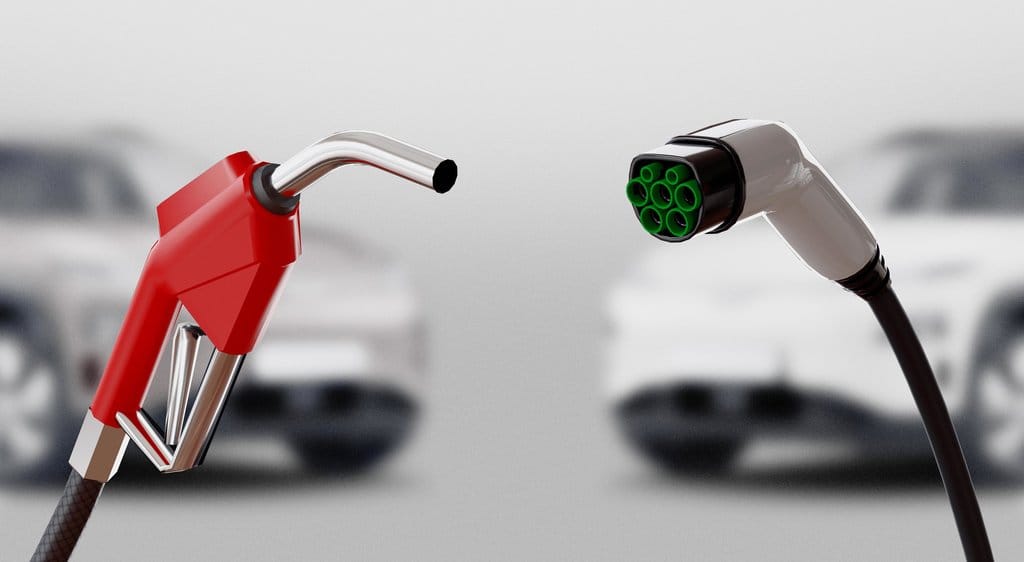
Pilihan antara kendaraan listrik dan kendaraan bensin tidak lagi berhenti pada sekadar selera.OTE potentials — Beginning with the operating cost equation, factors that buyers should map out before signing include energy consumption per hundred kilometers, routine service intervals, charging time versus refueling time, and how quickly each category of vehicle loses value at resale. After recalculating these variables, the comparison shifts from a simple preference to a calculation of long-term expenses over several years of ownership.
One fundamental obstacle complicates any single answer. Conventional and electric vehicles use distinct energy units, so direct comparison is impossible without a common denominator. The range and usage patterns of a private daily commuter, a family car, and a commercial fleet will produce entirely different outcomes. Here is a breakdown of the main variables that shape the decision.
Biaya Energi: Mana yang Lebih Ringan?
Energy cost is usually the first variable buyers examine. An electric vehicle with a battery capacity of 40 to 60 kWh typically consumes around 15 to 20 kWh for every 100 kilometers. At household electricity rates that generally fall between Rp1,500 and Rp3,000 per kilowatt-hour, the energy cost works out to roughly Rp25,000 to Rp60,000 per 100 kilometers. A gasoline car with a consumption rate of 8 to 12 liters per 100 kilometers, priced at liquid fuel prices in the range of Rp10,000 to Rp12,000 per liter, requires around Rp80,000 to Rp144,000 for the same distance.
The gap is clearly significant. However, two caveats need to be noted. First, many owners charge at public stations or subscription-based fast charging points whose per-kilowatt-hour rates are considerably higher than household rates. Second, a vehicle that is almost never driven — for example, one used only for short weekend trips — will not produce the fuel savings that the calculation above suggests.
Perawatan: Berkurang atau Bertambah?
Ownership costs do not end at the energy column. Electric vehicles eliminate several routine items found in combustion engines: engine oil changes, oil filter replacements, spark plug servicing, and the emissions components associated with the exhaust system. Brake pads also tend to last longer, because regenerative braking reduces friction on the pads during city driving. The result is a maintenance schedule that many owners consider lighter.
That advantage is offset by battery-related considerations. Several manufacturers offer battery warranties with terms of around 8 years or a distance limit of 100,000 to 160,000 kilometers, which is longer than the typical warranty period for engine components. Nevertheless, battery health decline remains a legitimate concern for buyers planning to keep a vehicle for a decade or more. Vehicle age, storage temperature, and charging habits all influence long-term battery condition.
Pengisian Daya dan Waktu Pakai
Refueling a gasoline car takes a few minutes at a station. Charging an electric vehicle is a different rhythm. Using a home charger at around 1.1 kW, a full charge from empty typically requires 6 to 10 hours — practical to perform overnight. Fast charging stations can restore 20 to 80 percent of capacity in approximately 20 to 40 minutes, but that speed comes at a higher electricity rate.
This variable is decisive for drivers with long commutes or a pattern of use that requires traveling hundreds of kilometers without pause. Public charging infrastructure is also unevenly distributed across regions, which means feasibility depends heavily on where the vehicle is used.
Nilai Jual Kembali
Depreciation frequently tilts the comparison in favor of gasoline vehicles, particularly in markets where electric models first entered in small numbers and battery durability is still an unknown for the general public. Used electric prices tend to fall more sharply in the first few years, partly because buyers hesitate over battery condition and partly because newer, more capable models arrive quickly.
Gasoline vehicles, by contrast, benefit from a long-established used market and a broad repair network. For owners who change vehicles every three to five years, resale value can change the overall financial picture substantially.
Faktor Lain yang Perlu Dipertimbangkan
Purchase price, insurance premiums, taxation, and home charging installation costs all enter the equation. Some regions still offer incentives in the form of tax relief or reduced registration fees for battery-powered vehicles, though these policies shift over time. Buyers should also consider environmental and noise characteristics, which for many users are non-negotiable.
The answer, ultimately, is contextual. For a driver with a regular home charger, a daily range under 200 kilometers, and a medium-to-long ownership horizon, electricity usually costs less to operate and maintain. For someone who travels long distances frequently, lacks access to home charging, or changes vehicles quickly, gasoline remains a more practical option. A thorough calculation — not a single figure — is what produces an accurate conclusion.











:strip_icc():format(webp)/kly-media-production/medias/8263843/original/065734300_1782021578-Tugas__38_.jpg)



Comments (0)