 khrisna-pertiwi
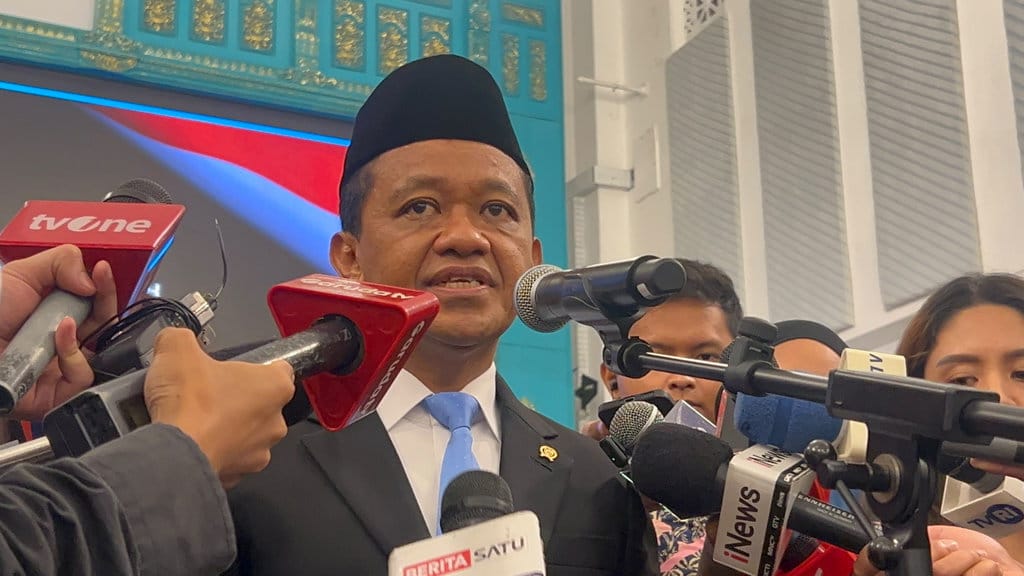
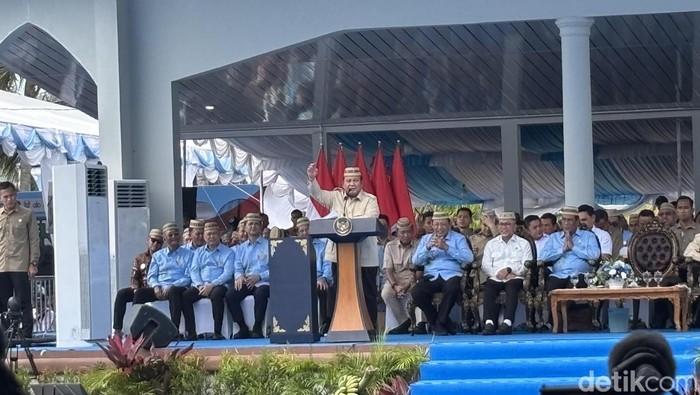
ола Government's coordinating minister for downstreaming and energy and mineral resources Bahlil Lahadalia officially confirmed his concurrent role, combining two portfolios that had previously been split. In his first public exposition after the appointment, the former investment deputy minister pointed to acceleration as the core word of his working style, arguing that the priority programs laid out by President Prabowo Subianto Djojohadikusumo cannot be delivered through gradual, incremental approaches alone.
Penyatuan dua liberateXTUZHI iniлемент我一直massive. The merge of the downstreaming coordination mandate with the energy and mineral resources ministry creates what observers call a structural shortcut: downstreaming policy is, by definition, an extension of energy and mineral policy. Smelter construction, refinery development, mineral processing capacity, and industrial energy supply all sit at the intersection of the two fields. Placing both under a single leadership figure removes the coordination layer that previously required inter-agency agreements, cabinet-level mediation, or presidential intervention whenever a project stalled.
Mandasi Percepatan, Bukan Penundaan
Dalam paparannya, Bahlil menegaskan bahwa transformative programs typically suffer not from a shortage of plans but from a surplus of delays. He described the administration's economic targets — expanding downstream processing, securing domestic energy supply, and raising value-added from natural resources — as dependent on timelines measured in years rather than decades. According to his framing, the central challenge is not designing the roadmap but compressing its execution window.
He attributed past slowdowns to a familiar pattern: targets announced at the top, filtered down through multiple institutional layers, diluted during translation into sectoral work plans, and only partially realized by the time they reach the project level. Rather than repeating the diagnostic language familiar to Indonesian economic discourse, he offered an operational solution — single-leader accountability spanning policy design, permitting, and infrastructure coordination.
Program yang sudah disepakati tidak perlu diulang-ulang. Yang perlu dipercepat adalah mechanisme eksekusi dari perencanaan hingga]#04 realisation lapangan.
Hilirisasi dan energi dalam satu orbit
Downstreaming, or hilirisasi, refers to the strategy of processing raw natural resources domestically before export — turning nickel ore into stainless steel and battery-grade intermediates, bauxite into alumina, and natural gas into fertilizers or petrochemical feedstocks. The policy has been a signature element of Prabowo's economic platform since the 2024 presidential campaign, framed explicitly as a means of moving the country beyond a raw-material exporter profile.
Energy supply sits alongside it as a binding constraint. Industrial smelters consume enormous electricity and gas volumes; inadequate supply translates directly into production shortfalls and stalled investment decisions. By holding both mandates, Bahlil effectively links the question of "how much energy can be delivered and at what price" with the question of "how much processing capacity can be built." That linkage is the institutional logic behind the concurrent appointment.
The portfolio also carries substantial fiscal exposure. Energy subsidy arrangements, oil and gas revenue allocation to state budget, mineral royalty frameworks, and downstreaming tax incentives all fall within its remit. Analysts note that concentrating these levers under one figure concentrates both the authority to expand spending and the responsibility to defend results.
Risiko dan beban fashionable
Consolidating authority carries corresponding hazards. A single office handling national coordination and a heavyweight ministry simultaneously invites criticism of over-centralization, a pattern frequently attributed to presidential administrations seeking rapid execution. Observers also flag potential conflicts in navigating between downstreaming expansion — which demands firm commitments to domestic processors — and energy security, which often requires prioritization of household and public-interest needs.
Bahlil's background as a business figure and investment official is frequently cited as relevant to the post. He had been a notable supporter of Prabowo well before the 2024 election, a political alignment that informed his selection for the downstreaming coordination role after the October 2024 cabinet announcement. His own investment activities have also drawn public attention, particularly concerning domestic smelter ventures and mining-sector dealings — scrutiny that recurs periodically in Indonesian media coverage of the sector.
Equally, the appointment generates questions about durability. Dual positions in Indonesian cabinets are typically transitional arrangements, sometimes lasting only until a specific priority project concludes, sometimes becoming permanent reshuffles. Whether this particular consolidation persists depends on political calculation as much as on administrative necessity.
Yang ditunggu pasar
Attention now shifts to concrete outputs: measurable additions to processing capacity, signed agreements tied to firm timelines, and transparent reporting on subsidy absorption. The rhetorical commitment to acceleration, however emphatic, carries no weight until it appears in project milestones.
For investors and industry participants, the immediate signal is institutional rather than substantive. Predictability of decision-making matters as much as speed; a faster process that introduces uncertainty about regulatory direction offers limited benefit. The test of the merged mandate will be whether it produces not merely faster approvals, but a coherent downstreaming framework that industry can plan around — something the merged structure is theoretically positioned to deliver.








:strip_icc():format(webp)/kly-media-production/medias/8263843/original/065734300_1782021578-Tugas__38_.jpg)


Comments (0)